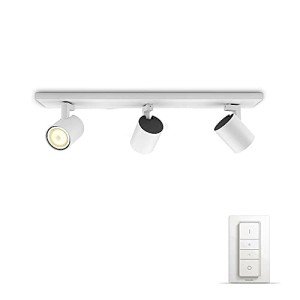
5 Laws That Will Help In The Buy Energy-Efficient Lighting UK Industry
Buy Energy-Efficient Lighting in the UK: A Comprehensive Guide
In recent years, the urgency of transitioning to more sustainable habits has actually led numerous consumers and companies to make conscious decisions about their energy usage. Among the most impactful ways to minimize energy costs and carbon emissions is by deciding for energy-efficient lighting. Buy Industrial Lamps UK aims to notify readers about the advantages of energy-efficient lighting, types available in the UK market, and ideas for making a selection.
Comprehending Energy-Efficient Lighting
Energy-efficient lighting refers to lights that consume less electrical power while providing the exact same level of lighting as traditional lighting alternatives. This decrease in energy usage stems from developments in technology, which have actually made it possible for the creation of lighting options that not only save energy but are likewise more resilient and flexible.
Advantages of Energy-Efficient Lighting
Expense Savings: Lower energy expenses make energy-efficient lighting an attractive choice for both families and businesses. They may involve a higher preliminary financial investment, however their longevity and decreased energy intake lead to significant savings with time.
Environmental Impact: By utilizing less electrical power, energy-efficient lights add to decrease greenhouse gas emissions. The shift far from fossil fuels for electrical energy generation makes a significant distinction in mitigating climate modification.
Improved Light Quality: Modern energy-efficient lighting, particularly LED and CFL, provides brighter, more constant light than older innovations like incandescent bulbs.
Types of Energy-Efficient Lighting
When exploring energy-efficient alternatives, consumers can select from numerous innovations. Here are some typical types found in the UK:
Type
Energy Usage
Life expectancy
Qualities
LED (Light Emitting Diode)
Very low
15,000 – 50,000 hours
Instant-on, dimmable options offered, high light quality
CFL (Compact Fluorescent Lamp)
Low
7,000 – 15,000 hours
More energy-efficient than incandescent, however might take some time to reach full brightness
Halogen Bulbs
Moderate
2,000 – 4,000 hours
Improved efficiency compared to traditional incandescent; discharges a warm light
Smart Bulbs
Varies based upon usage
15,000 hours
Connects to smart home systems; programmable and energy trackers
This range invites customers to make informed choices tailored to their needs.
How to Choose Energy-Efficient Lighting
Choosing the best energy-efficient lighting can seem daunting due to the various alternatives available. To simplify the decision-making process, possible buyers need to consider the following aspects:
Purpose of Lighting: Identify the main use of the lighting (e.g., ambient light, job lighting, or accent lighting) to determine the proper type and intensity of light.
Lumens vs. Watts: Understand that lumens show brightness while watts procedure energy usage. The goal is to take full advantage of lumens while reducing wattage.
Color Temperature: Lighting is available in different color temperature levels, expressed in Kelvin (K). Consider the preferred ambiance:
- Warm White (2700K) for relaxing locations
- Cool White (4000K) for workspaces
- Daylight (5000K+) for lively settings
Dimming Capabilities: If choosing LED or CFL lighting, make sure that the fixtures and bulbs work with dimmer switches if that is a requirement for the space.
Certification Labels: Look for energy efficiency labels such as the Energy Saving Trust label or EU Energy Label, which suggest compliance with energy use requirements.
Where to Buy Energy-Efficient Lighting in the UK
Consumers in the UK can buy energy-efficient lighting from numerous merchants. Some popular choices consist of:
- Online Retailers: Websites such as Amazon, eBay, and expert lighting sites frequently have a broad choice and competitive rates.
- Home Improvement Stores: Chains like B&Q, Wickes, and Homebase use in-store help for customers to make educated options.
- Electrical Suppliers: Stores that concentrate on electrical items can offer expert recommendations customized to specific requirements, specifically for industrial buyers.
Frequently Asked Questions about Energy-Efficient Lighting
Are energy-efficient bulbs really worth the financial investment?
- Yes, while the in advance expense might be greater compared to traditional bulbs, their durability and lower energy usage deal substantial cost savings in the long run.
Do energy-efficient bulbs take some time to reach full brightness?
- Some types, like CFLs, might take a couple of moments to warm up, while LEDs supply immediate intense light.
Can I use energy-efficient bulbs in existing fixtures?
- The majority of energy-efficient bulbs can be used in basic fixtures, but constantly check compatibility, specifically with dimmer switches.
What ecological advantages can I anticipate from utilizing energy-efficient lighting?
- Reduced energy usage results in a lower demand for electrical power, which decreases greenhouse gas emissions, hence having a positive influence on climate change.
Switching to energy-efficient lighting not just helps to reduce electrical power bills but likewise adds to a greener planet. By understanding the types offered, understanding what to try to find when buying, and checking out reputable suppliers, UK consumers can make well-informed choices that align with their needs. This small change can lead to substantial advantages for both their home or organization and the environment.
Final Thoughts
As customers end up being progressively familiar with their environmental footprint, the switch to energy-efficient lighting is an essential step. By accepting these technologies, people and companies in the UK improve their sustainability efforts while delighting in the advantages of modern lighting solutions.